Comparative Transcriptomic Analysis of Drought-Responsive Genes in Maize (Zea mays) and Sorghum (Sorghum bicolor) for Global Food Security
Keywords:
comparative transcriptome, drought-stress, Sorghum bicolor, Zea maysAbstract
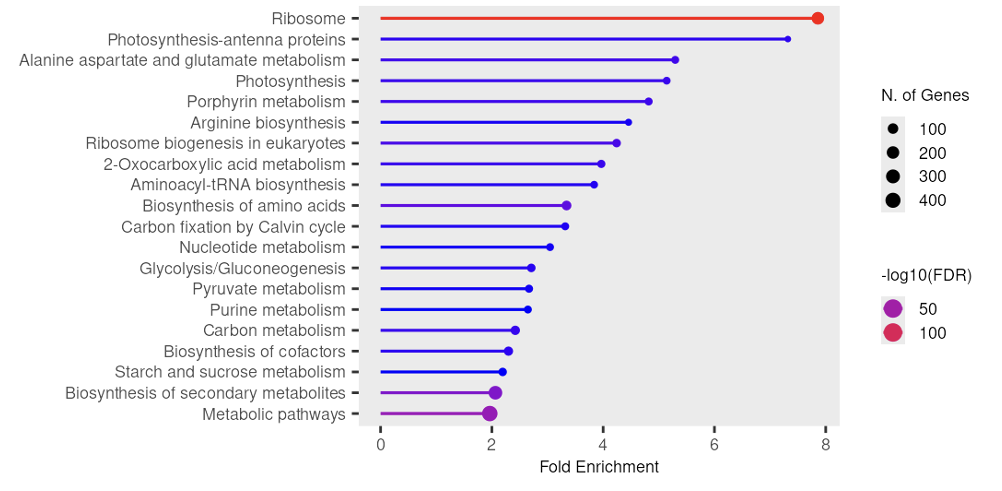
Drought is one of the most severe abiotic stresses limiting cereal crop productivity worldwide and is expected to intensify under ongoing climate change conditions. Maize (Zea mays) is highly susceptible to drought stress, whereas sorghum (Sorghum bicolor) exhibits superior drought tolerance mechanisms. Therefore, this study aimed to perform a comparative transcriptomic analysis of maize and sorghum under drought stress conditions using an RNA-seq workflow implemented on the Galaxy platform. Differential expression analysis revealed substantial transcriptomic changes in both species under drought stress conditions. In maize, drought stress predominantly induced genes associated with oxidative stress responses, abscisic acid (ABA) signaling, lipid metabolism, and stress-responsive signaling pathways, including MAPK signaling and plant hormone signal transduction. In contrast, sorghum showed enrichment in pathways related to translation, ribosome organization, photosynthesis, carbon metabolism, glycolysis/gluconeogenesis, and amino acid biosynthesis, indicating the maintenance of fundamental metabolic and photosynthetic activities during drought stress. Overall, the results suggest that sorghum possesses a more coordinated and efficient drought tolerance mechanism compared with maize. This study provides valuable insights into the molecular mechanisms underlying drought tolerance in cereal crops and highlights potential targets for the development of drought-resilient cultivars.
Downloads
Published
How to Cite
Issue
Section
License
Copyright (c) 2026 Nisa Fitriani Nur Azizah Azizah

This work is licensed under a Creative Commons Attribution-NonCommercial 4.0 International License.