Transcriptomic Analysis of Maize Root and Leaf Responses to Heat Stress at the Seedling Stage
Keywords:
Climate resilience, differential gene expression, heat stress response, maize, meta-analysis, organ-specific adaptation, transcriptomicsAbstract
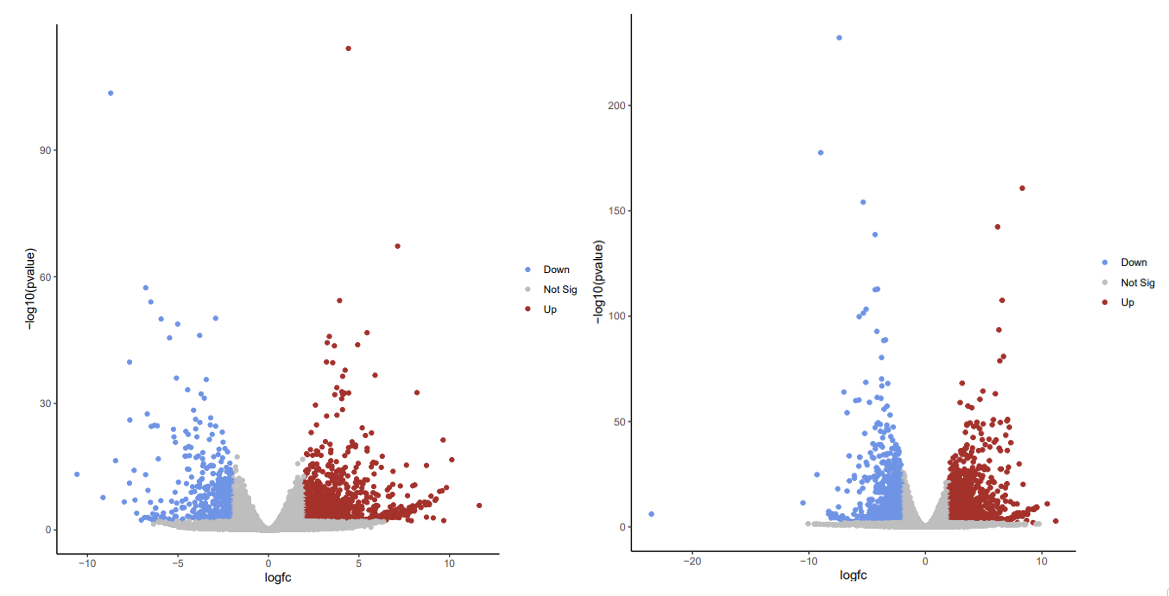
Acute thermal stress severely limits maize (Zea mays) productivity, requiring a systemic understanding of organ-specific adaptive mechanisms. This study integrated transcriptomic data from two independent BioProjects, PRJNA1335774 (root) and PRJNA947789 (leaf), to delineate the molecular responses of maize seedlings to heat. A rigorous bioinformatic pipeline was employed, involving trimmomatic for quality control, HISAT2 for genomic alignment, and pheatmap for hierarchical clustering. Principal component analysis (PCA) revealed that heat stress at 42 oC was the primary driver of transcriptional variation, explaining 92% of the variance in roots and 80% in leaves, significantly outweighing tissue-specific signatures. Volcano plots identified thousands of high-confidence differentially expressed genes (DEGs) with extreme statistical significance. Hierarchical clustering confirmed a massive "transcriptional reset," characterized by the induction of a conserved heat-stress response (HSR) module and the simultaneous suppression of primary metabolic pathways. While the systemic response was dominant, roots exhibited a more synchronized molecular shift, whereas leaves showed higher secondary variability (16% on PC2), likely reflecting the complex demands of photosynthetic regulation. These findings demonstrate that maize seedlings prioritize cellular protection over growth through a coordinated growth-to-defense tradeoff. The identified DEGs and conserved modules provide robust genetic targets for molecular breeding and genome editing to enhance thermotolerance in maize cultivars.
Downloads
Published
How to Cite
Issue
Section
License
Copyright (c) 2026 Dinta Navy Apriliani

This work is licensed under a Creative Commons Attribution-NonCommercial 4.0 International License.