Ethnozoology of the Albino Buffalo (Bubalus sp.) in the Traditional Rituals of the Surakarta Sunanate Palace
Keywords:
Albino buffalo, Cultural heritage, Ethnozoology, Javanese culture, Traditional ritualAbstract
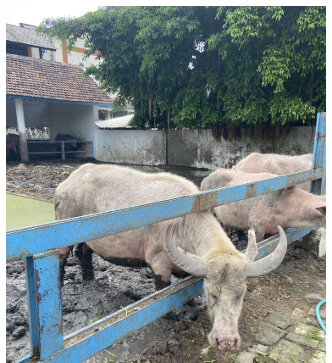
The albino buffalo (Bubalus sp.), locally known as Kebo Bule Kyai Slamet, holds a significant cultural and spiritual position within the traditions of the Surakarta Sunanate Palace. This study aims to examine the ethnozoological dimensions of the albino buffalo, including its historical background, symbolic meaning, daily management practices, and socio-cultural dynamics. A qualitative approach was employed using semi-structured interviews with palace servants (abdi dalem), cultural scholars, and local community members. Data were analyzed using thematic descriptive analysis. The findings reveal that the albino buffalo is not merely livestock but a living cultural symbol representing cosmological balance, royal legitimacy, and communal identity in Javanese society. Ritual involvement, particularly during the 1st Suro procession, reinforces its sacred status. Knowledge of buffalo management is transmitted intergenerationally through oral tradition and direct involvement. Despite modernization and tourism influences, preservation efforts continue through customary regulations, ritual practices, and cultural education. This study highlights the importance of ethnozoological perspectives in understanding human–animal relationships within traditional societies.
Downloads
Published
How to Cite
Issue
Section
License
Copyright (c) 2026 Berlin Happy Winike Christi

This work is licensed under a Creative Commons Attribution-NonCommercial 4.0 International License.